Projects
WildCookham runs practical projects that restore habitats, improve ecological knowledge, involve the local community and build long-term support for nature recovery.
Water Voles | Wildlife Gardens | Bigger, Better, More Joined Up | Schools | Water Quality | Nature for the Long Term
Water Voles
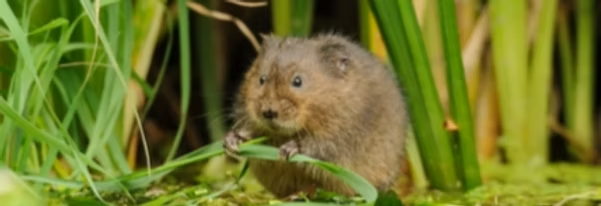
Water voles were once a common sight in Cookham, but habitat loss and the spread of non-native American mink caused a dramatic decline in numbers across Britain and led to their disappearance from local waterways. WildCookham began its recovery project in 2020 and has helped reintroduce more than 200 water voles in Cookham while also supporting mink control as part of a wider national effort.
Volunteers survey the population each year, monitor signs of success and help improve bankside conditions so water voles and other waterside species have a better chance of thriving. The project has been supported by South East Water, Thames Water and local charitable trusts.
Wildlife Gardens
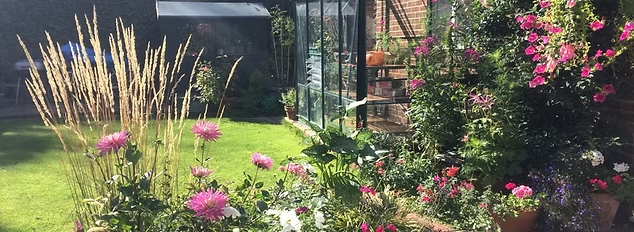
WildCookham launched the Wildlife Gardens Awards in 2018 to help residents make their gardens more useful for wildlife. The award criteria cover food, water, shelter and wildlife-friendly management, and the scheme has since been adopted more widely across the Borough.
Gardens represent a significant part of the local landscape and can make a meaningful contribution to biodiversity, pollination and carbon capture. WildCookham encourages neighbours to work together so individual gardens become a connected wildlife network across the community.
Bigger, Better, More Joined Up
This principle shapes WildCookham's work with landowners and reflects the need to think at landscape scale when restoring nature. The aim is not only to improve individual sites, but to link habitats together so wildlife can move, feed, breed and recover more successfully.
WildCookham works with local landowners who want to see nature return to their property and contributes to conversations around Berkshire's Local Nature Recovery Strategy so that Cookham plays a strong role in the wider roll-out of nature recovery plans. This also connects closely with work to bring biodiversity back to the Commons and to support more joined-up habitat management across the parish.
Schools
WildCookham works with local primary schools because young people will shape the future of the environment. The group provides support for environmental studies, talks at assemblies, practical activities such as pond dipping, and advice on creating wildlife areas within school grounds.
Wilding the Commons
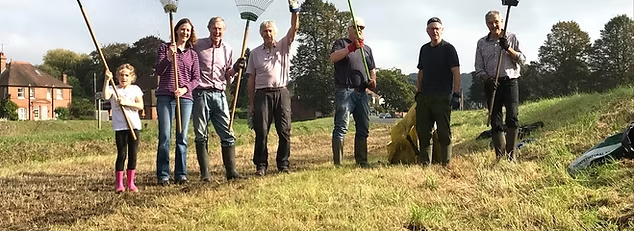
Around 850 acres of Common land was saved from enclosure on the early 19th century and WildCookham now works on some of these to help restore some of the wildflower glory they would have had in past years. Most are owned by the National Trust with one (Odney Common) owned by the John Lewis Partnership and a small riverside plot owned by Cookham Parish Council. Volunteers do the work, involving clearing (cutting and scarifying) the land and then reseed with special flower mixes for our local conditions.
Managing habitats
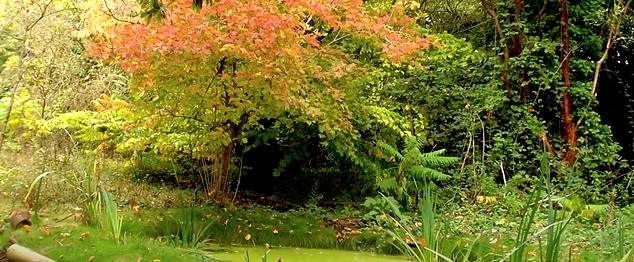
WildCookham manages, or assists with, several sites across Cookham, with the aim of maximising the opportunities for nature recovery. These include the Harris Woodbridge Nature Reserve in Cookham Dean (owned by the parish council), the pond on Marsh Meadow, on land owned by Copas Farms, and the Royal Borough-owned Battlemead between Cookham and Maidenhead
Water Quality
Healthy water is essential to healthy ecosystems. WildCookham supports projects that assess the quality of local ponds, streams and backwaters, and encourages the restoration of lost ponds and the creation of new ones. Recent work has included water quality testing in ponds and backwaters to identify chemical presence and possible toxic substances.
This strand of work also connects with habitat restoration, including wetland management, pond creation and efforts to improve conditions for species such as water voles.
Nature for the Long Term
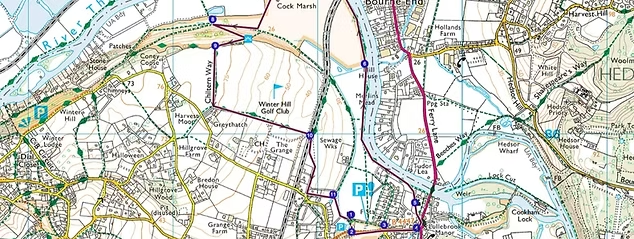
Long-term environmental pressures often come from development and the gradual erosion of green belt and other valuable land. WildCookham works with local councils, the Cookham Society and other groups to respond to planning issues, comment on policy consultations and support plans that protect local habitats.
The group contributes to initiatives such as the Cookham Neighbourhood Plan, the Royal Borough's Environment and Climate Strategy, Biodiversity Action Plan and Local Plan, helping make sure nature remains part of local decision making for the long term.